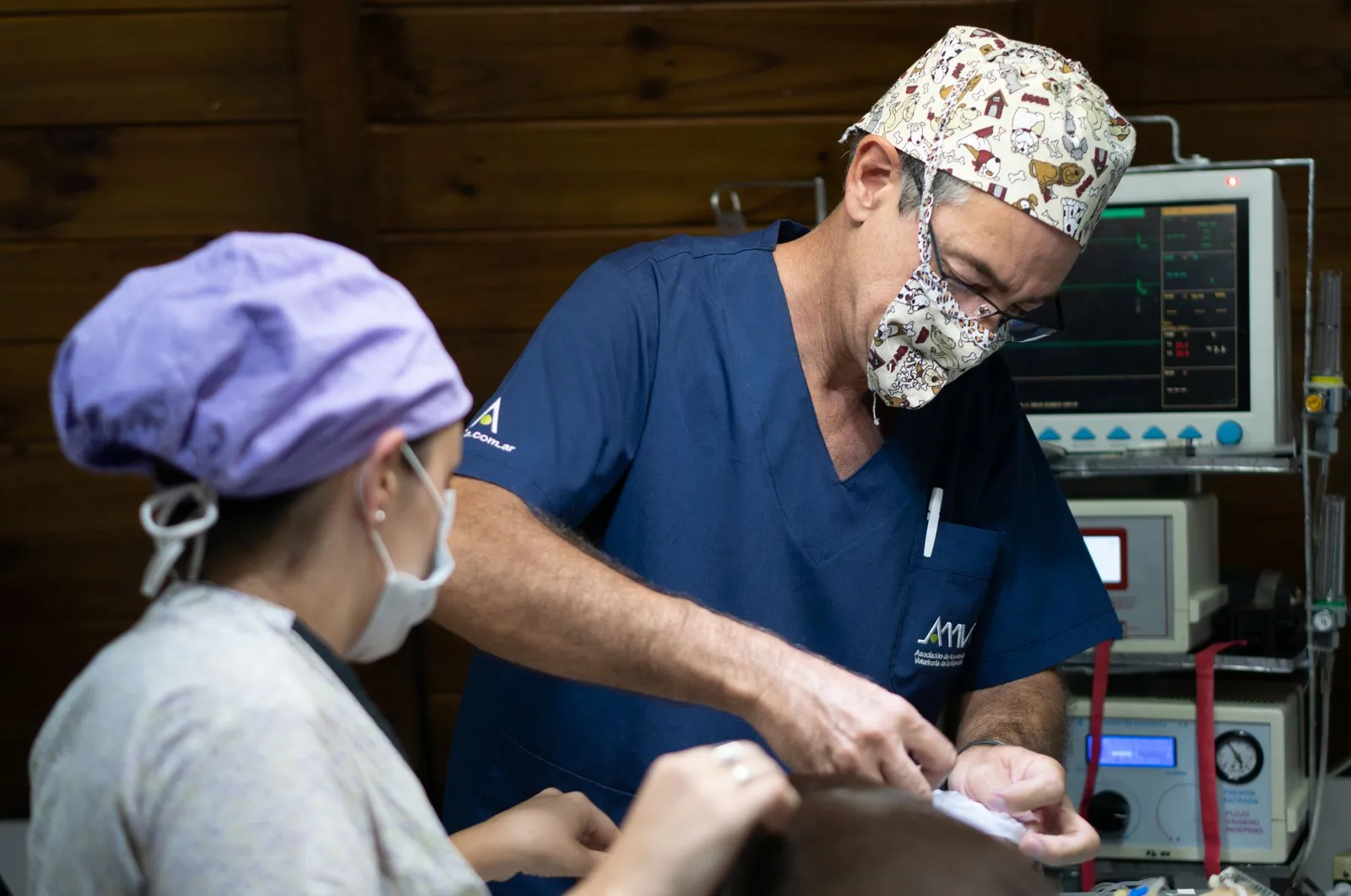
Veterinary clinics write a lot: consultation notes, treatment records, owner instructions, referral letters and follow-up messages. AI can reduce that load by turning a consultation into a structured draft that the veterinarian then reviews and signs, and by preparing clear, owner-friendly documents. This article explains where that fits in a veterinary workflow and how to choose a tool responsibly.
The documentation load in veterinary practice
A veterinary visit has a particular shape. The professional examines a patient who cannot describe symptoms, talks with an owner who knows the animal's history, and often performs procedures in the same visit. Documentation has to capture all of it.
- The history, as told by the owner.
- The examination findings and any tests.
- The assessment and plan.
- Treatments and medications, with the right details.
- Instructions for the owner, which must be understandable at home.
- Follow-up and next appointments.
In a busy clinic, much of this ends up typed after hours. That cost is real, in time and in attention that could have gone to the animals and the owners.
Where AI helps
AI is most useful where information needs to be organised and phrased, not decided.
- Consultation notes. Turning the conversation of the visit into a structured note, in the format your clinic uses.
- Owner instructions. Preparing plain-language care instructions, medication reminders and warning signs to watch for.
- Referral and discharge documents. Summaries for colleagues or specialists.
- Follow-up messages. Drafting reminders and check-ins.
- Consistency. Helping every note follow the same structure.
The common thread is that the veterinarian remains the author. The tool prepares, the professional reviews and corrects, and only then does the document enter the record or go to the owner. For a general explanation of how this works in a consultation, see what an AI clinical scribe is and how it works.
What to be careful about
Veterinary documentation has its own pitfalls, and a good tool takes them into account.
- Species and terminology. Language differs across species and specialities. A tool should handle veterinary vocabulary.
- Dosage and details. Anything that affects treatment must be verified by the veterinarian.
- Two audiences. The record is clinical, while the owner's document should be clear and non-technical. They should not be mixed.
- Ambiguity. If something is unclear in the conversation, the tool should flag it, not guess.
Owner communication and trust
Owners often leave a visit remembering only part of what was said. A clear written summary improves understanding and helps owners follow the plan. A veterinarian who spends less time on typing has more time to explain and to listen. This is a quiet benefit of documentation support: better communication during the visit itself.
Privacy: owners are people too
Even though the patients are animals, the owners are individuals whose personal data is protected. Names, addresses, phone numbers, payment details and sometimes information about their circumstances all fall under the GDPR in Europe. Practical points:
- Collect and keep only what you need.
- Know where data is processed and who has access.
- Use tools that handle recordings and text under a proper agreement.
- Tell clients how you use these tools, especially if a consultation is recorded.
TP53 Health is GDPR compliant. More detail is on our trust and security page. For the regulatory picture around AI, see AI and the EU AI Act in healthcare.
How TP53 Health supports veterinarians
TP53 Health builds AI tools for clinical documentation with the professional in control. For veterinary professionals, the veterinarians solution page describes how our approach applies in practice. The clinical document generator supports reviewed documents such as summaries and letters, and clinic software helps organise the practice around them. TP53 Health is based in Ferrara and Milan, Italy.
A short evaluation checklist
- Does it understand veterinary terminology in the languages you work in?
- Can you shape the note format to match your clinic?
- Is review a built-in step before anything is saved or sent?
- Can it produce an owner-friendly summary separate from the clinical note?
- Is client data protected, and do you know where it is processed?
- Does it fit your existing practice management workflow?
For a more complete framework, see our checklist for choosing AI software for a medical practice, which applies equally to veterinary clinics.
Where to start in a veterinary clinic
Do not try to change every document at once. Start with the one that costs the most time and is the most repetitive, which in many clinics is the consultation record for routine visits such as vaccinations, check-ups and follow-ups. Once the team trusts the draft and the template, extend the same approach to discharge instructions, estimates and referral letters.
Involve the nurses early. They often capture details that never reach the vet's notes, such as the animal's behaviour in the waiting room, what the owner said at the front desk, or how the pet reacted to handling. A shared structure lets these observations land in the right section of the record instead of staying in someone's memory.
Finally, agree on one rule for the whole clinic: the veterinarian reads and signs every record. Drafts speed up writing, but clinical responsibility stays with the person who examined the animal.
Frequently asked questions
The FAQ below answers common questions from veterinary teams. If you would like to see how AI documentation could work in your clinic, Get to know us.