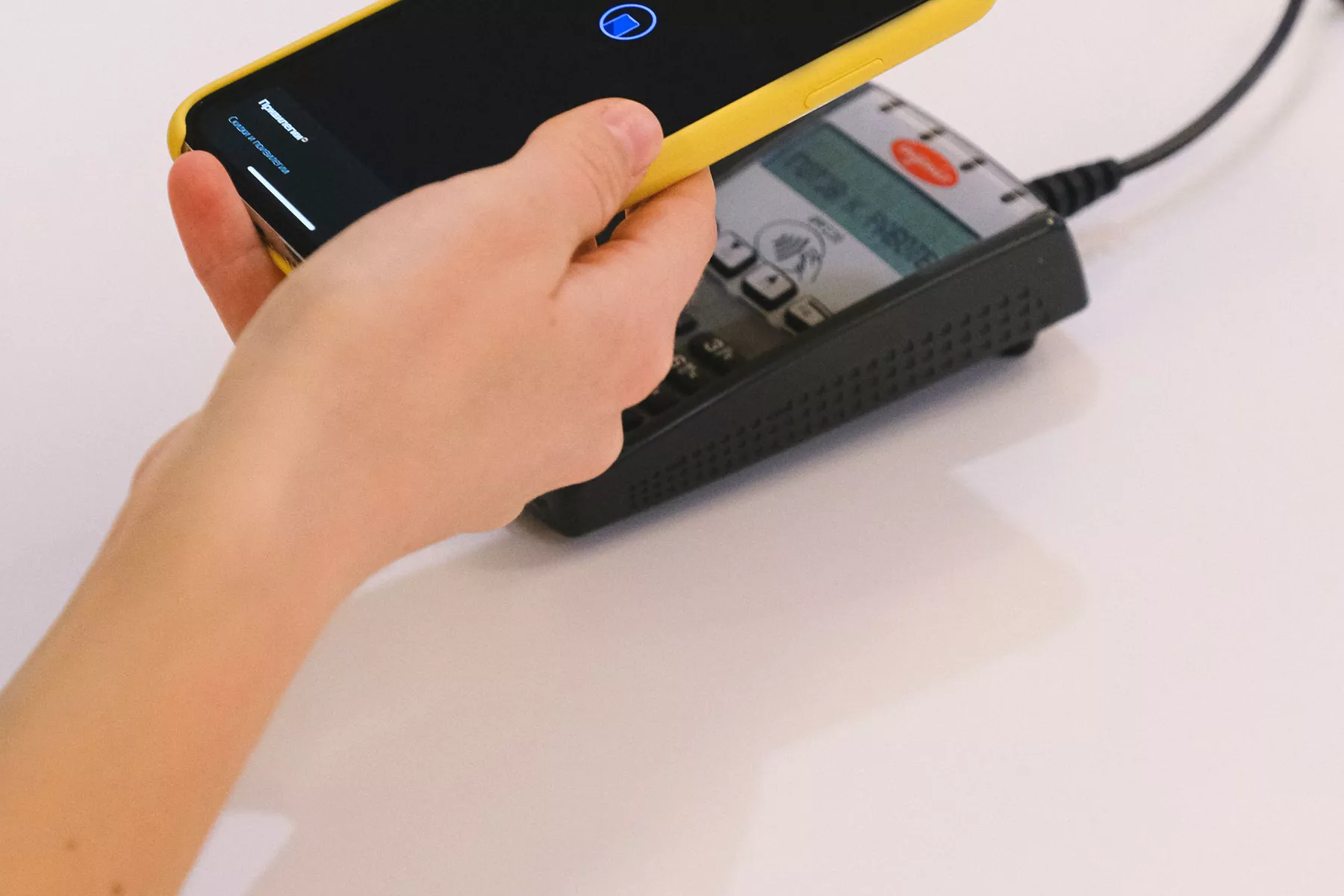
If you are a nutritionist in Italy, electronic invoicing and Sistema Tessera Sanitaria are two separate obligations that are often mixed up. Understanding which one applies to which invoice saves time and avoids mistakes. This guide explains what each system is, how they differ and how to keep your administration simple. It is general information, not tax advice: rules, exemptions and deadlines change, so always confirm the current situation with your accountant and the official sources.
Two systems, two different purposes
It helps to start with what each one is for.
- Electronic invoicing is the Italian system in which invoices are issued in a structured digital format and sent through the Sistema di Interscambio, run by the Italian tax authority. Its purpose is tax control and standardised invoicing between businesses and, depending on the rules, to private customers.
- Sistema Tessera Sanitaria (STS) is the system through which health professionals communicate data about health expenses paid by private individuals. Its main purpose is to feed the information that supports the deduction of those expenses in the patient's tax return.
They overlap in the real life of a practice, because both start from an invoice or a receipt, but they are different flows with different rules.
Why nutritionists are affected
Nutritionists provide a service to private patients, usually paid by the patient. That puts a practice squarely in the area where health expense data matter. Depending on your tax regime and the type of customer, you may need to issue electronic invoices, communicate data to STS, or both. Over the years the rules on how the two interact have changed, including exemptions that were introduced and later reviewed. This is exactly why a general guide cannot replace your accountant.
What to organise in your practice
Whatever the rules say today, the same preparation makes life easier.
- Keep patient identity data correct. Tax code, name and contact details must be accurate, because errors travel from the visit into the invoice and into any communication.
- Record what you charge and why. A clear link between visit, service and amount avoids reconciliation work at the end of the month.
- Separate the type of customer. Private patient, company, or body: they may follow different rules.
- Keep dates consistent. Date of service and date of payment matter for both flows.
- Keep records for the legal period. Your accountant will tell you which documents and how long.
A simple monthly routine
Practices that stay calm at deadlines usually do something small and regular instead of one big catch-up.
- Weekly: check that every visit has a corresponding invoice or receipt.
- Monthly: review the list of invoices issued and the data to be communicated, and send them to your accountant if they manage it.
- At year end: check that patient data and amounts are consistent before the closing period.
How software can help, and where it cannot
Software cannot decide your tax treatment. What it can do is keep your data in one place so that nothing is retyped. Cibus, the nutrition software from TP53 Health, keeps patients, plans and practice information together, so the details that eventually appear on an invoice are correct from the start. The same applies to clinic software for the agenda, records and communications of the practice, and to digital patient intake, which collects identity and contact data before the first visit so that you do not have to chase it later.
When you evaluate any tool, ask exactly which administrative steps it supports in your setup and which ones stay with you or your accountant. A good vendor will answer that clearly, and so will we. If you are choosing software for your practice more broadly, our checklist for choosing AI software for a medical practice covers the questions to ask.
Protecting patient data while you do admin
Invoices and health expense data are personal data, and often data concerning health. That means the GDPR applies. Share only what is needed, give access only to people who need it, and use tools that handle data under a proper agreement. TP53 Health is GDPR compliant, and you can read more on our trust and security page.
Connect admin with the rest of your work
Good administration is not separate from good clinical work. A practice that knows its patients, plans and follow-ups in one system spends less time looking for information. If you want to see the clinical side of the same workflow, read how nutritionists can build meal plans faster with AI without losing control, and for the practice view see our page for nutritionists.
Keep your records ready for the year-end
At the end of the year you will want to answer three questions quickly: what did I invoice, what did I collect, and what did I report for health expenses? If each visit is recorded once, with the date, the patient reference, the amount and the payment method, these answers come from the same source instead of three separate lists.
A good habit is a short monthly check. Compare invoices issued with payments received and make sure nothing is missing or duplicated. Fixing a small mismatch in the month it happens takes minutes, while finding it months later takes hours.
Remember that this article is general information and not tax advice. Rules and deadlines change, so confirm the details with your accountant.
Frequently asked questions
The FAQ below covers the questions we hear most often. If you would like to see how Cibus can keep your practice data organised, Get to know us.